3 Misnomers About Sobriety That Keep People Stuck

Updated: Aug 26
Prefer to listen? Head over to the Upskilled podcast episode here.

When people tell me they want to get sober to be “healthier”, I call BS. We all want to be healthier, so what does that mean to you? If you’re questioning your relationship with alcohol, it’s important to know fact from fiction, from opinion before looking into a course of action. If you’re drinking to manage overwhelm and anxiety, putting labels on yourself or this process can amplify those feelings.
These are three of the biggest misnomers about sobriety that I’ve faced in over 20 years of working in the addiction field.
Getting sober can be a proactive performance strategy. Wanting optimal sleep, enhanced clarity, emotional regulation, or presence is what you might mean when you say you want to improve your health by changing your relationship with alcohol. For others, it’s the elimination of brain fog, remembering the night before, or not having to “pregame” before social event. This is such an individual process.

Misnomer #1 Sobriety is Binary
This might get me in trouble, because a lot of people equate sobriety with a length of time. Understand that being “sober” means you’re not under the influence of alcohol at the moment. This means you can be sober yesterday, drink today, then be sober tomorrow. It’s unpopular to think of it that way, but abstinence means refraining from drinking. If you’re practicing total abstinence day after day, you’re perpetually sober.
Mindful drinking is an option that relies on self-awareness and intentional choices and is possible for those who’ve struggled with their drinking habits in the past. I teach these skills that include moderation methods (techniques on how to go about drinking mindfully), and these approaches vary client-to-client.
My client “JP" is in his late 30’s and has shared custody of his two girls. He came to me for coaching after trying to moderate his drinking on his own, unsuccessfully. Together, we discovered that his biggest concern was drinking on the weekends and not being fully present with his daughters. His mindful drinking plan included two moderation techniques: abstinence on the weekends, not keeping alcohol in the house, and having a designated driver or a plan to take a taxi when he does.
This doesn’t mean he has a green light to binge during the week, instead, he used a moderation technique Monday through Friday if he wanted to drink: a technique called zebra striping (alternating between an alcoholic drink and a non-alcoholic drink).
One client, one mindful drinking plan, two moderation techniques because there’s more than one way to skin a cat.

Misnomer #2 Moderation is the Same as Self-Control
Nope. Self‑control is a momentary skill. Moderation is a system of routines, boundaries, supports, and honest self‑reflection.
Plenty of people with strong self‑control still struggle with moderation because the issue is the relationship with the behavior, it isn’t willpower. Moderation is often harder than abstinence because of all the self‑monitoring.
Remember JP? His plan included abstaining from drinking on the weekends, which is arguably harder to do if you want to reserve your days off to enjoy a drink. With the caveat that it’s easier to NOT have 1 drink than it is to stop yourself from having the second drink. Having 1 drink is what alcohol minimalists strive for and is another form of moderation.
Misnomer #3 Sobriety Requires Public Disclosure to be Effective
Many assume sobriety must be announced, which is true if you subscribe to traditional Alcoholic Anonymous (AA) meetings to support abstinence. Brad Pitt was recently in the news for drinking after many years of sobriety (abstinence). This was only news because he identified himself as an addict in recovery. When that becomes your identity, you’re associated with that label which can be harmful because labels carry power.
Most of my clients with social anxiety are meeting averse for many reasons. If you’re also managing anxiety and overwhelm, this kind of exposure can amplify those feelings.
There is efficacy to AA, and the meeting model has helped a lot of people, but do you publicly announce when your blood pressure or cholesterol numbers change? What about if you went to a marital counselor?

In reality, the leaders I work with prefer private, discreet exploration that won’t compromise their credibility. Remaining private reduces external pressure and criticism because sharing invites judgement and turns the focus away from your goals.
I had a client who participated in Weight Watchers through her job. From the first week, lunchtime became an unbelievably difficult time for her to manage.
Those who were not in the program were asking the participants “how many points is that?” or “is that on your plan?” They were all in her business. This perpetuated her anxiety, which caused her to avoid eating lunch in the office, and she began drinking habitually when she got home from work. Both habits became hard to break.
People might mean well, but your goals are your business unless you choose to be public. Really, your goals may not even be developed yet, so you don’t need the public’s help with a solution you may not need.
In addition, when you share a goal, others’ acknowledgment can create a premature sense of accomplishment. This “social reality” effect tricks your mind into feeling like the goal is already partially achieved, reducing the effort you put into it.
Now, before you post nasty comments, understand that I’m saying discretion is not secrecy or hiding in shame.
There is an element of accountability you need to start the journey of changing your relationship with alcohol. This may mean talking to a trusted friend or accountability partner about your goals to help move you along.
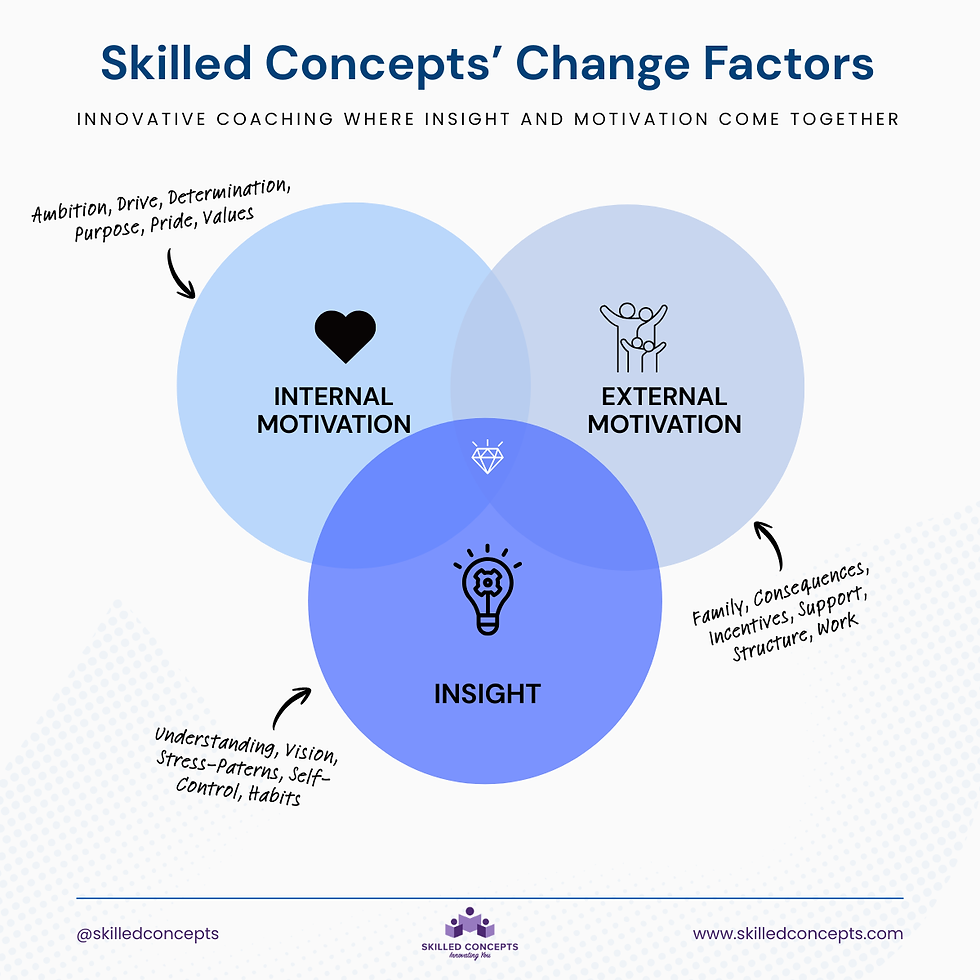
External motivation is just as important as internal motivation, which is why coaching can serve as a discreet, nonjudgemental motivator.
Lastly, using private tracking tools and journals can help you to monitor progress and frame your goals as actionable steps rather than identity claims. For example, I want to run 1 mile, versus I’m a marathon runner because I ran 1 mile. This is one of the tools I use with clients so they can see their own small “wins” every day.
If you’re ready to explore this further, I invite you to check out my program Mindful Drinking Skills for the Anxious Leader. In 90 days, you’ll learn mindful and moderation drinking strategies and regain personal agency in your decisions to drink or not. The program includes short audio lessons, monthly group coaching check-ins (where you may remain anonymous), and office hours to help keep you accountable through this journey.
If you're a leader on a wellness journey that doesn't involve alcohol, I'd love to hear from you!

Connect:
Connect with me on social media, LinkedIn or email me at info@skilledconcepts.com.
Vanessa is an Alcohol Coach with over 20 years of experience working in behavioral health and addictions as a clinician and clinical supervisor. She built Skilled Concepts, LLC to educate and inform high-performing leaders who want to change their relationship with alcohol and prevent burnout. She offers asynchronous coaching with ongoing skill building, rapid feedback, and personalized support-all without waiting for a scheduled session. Vanessa subscribes to alternative methods of changing habits including moderation, mindful drinking, and complete abstinence.

